Introduction
BOTOX® Cosmetic is widely known as a wrinkle-smoothing aesthetic treatment — but its benefits extend far beyond cosmetics. It is also an FDA-approved therapeutic option for several medical conditions that impact quality of life.
By temporarily relaxing targeted muscles, BOTOX® injections can improve both appearance and well-being.
This article explains how BOTOX® works, highlights both cosmetic and therapeutic applications, and outlines what patients can expect from expert-administered treatments.

| ⚠️ BOXED WARNING: Distant Spread of Toxin Effect
Both BOTOX® Cosmetic and BOTOX® (therapeutic) carry an FDA Boxed Warning about the risk of distant spread of toxin effect, which can lead to serious and potentially life-threatening complications, such as difficulty swallowing, speaking, or breathing, even at recommended doses. Only trained, licensed healthcare providers should administer BOTOX® Cosmetic for aesthetic purposes or BOTOX® (therapeutic) for approved medical conditions. Always review the full FDA-approved Prescribing Information and Medication Guide before treatment, and inform patients about all potential risks, benefits, contraindications, and alternatives. |
Key Takeaways
- BOTOX® Cosmetic smooths wrinkles, softens fine lines, and improves skin texture for a more youthful appearance.
- BOTOX® Therapeutic relieves chronic migraines, reduces excessive sweating (hyperhidrosis), and manages overactive bladder symptoms.
- Both cosmetic and therapeutic results depend on consistent treatment and skilled administration by trained professionals.
- BOTOX® is FDA-approved for both aesthetic and specific medical uses when administered according to approved guidelines.
- Outcomes vary among individuals based on medical history, skin condition, and treatment plan.
Important Safety Note: Potential risks include eyelid ptosis, dysphagia, muscle weakness, and rare cases of systemic toxin spread.
All BOTOX® formulations carry an FDA Boxed Warning for distant spread of toxin effect.
Always consult the full FDA-approved Prescribing Information before initiating treatment.
Why BOTOX® Injections Are More Than Just a Cosmetic Treatment
While most people associate BOTOX® Cosmetic with smoother skin, it also has significant therapeutic benefits. Understanding how it works explains its versatility.
The Science Behind Botulinum Toxin and How It Works
BOTOX® contains botulinum toxin type A, a purified neurotoxin protein that temporarily blocks nerve signals to targeted muscles. This results in muscle relaxation.
- In cosmetic treatments, this muscle relaxation reduces the appearance of wrinkles caused by repetitive facial movements (e.g., frown lines, crow’s feet).
- In therapeutic applications, it alleviates symptoms of certain medical conditions by reducing overactive muscle contractions or blocking specific nerve signals.

This dual mechanism makes BOTOX® a valuable treatment for both appearance and medical needs.
BOTOX® Benefits: Beyond Wrinkle Reduction
BOTOX® improves not just how you look, but also how you feel — addressing both visible signs of aging and medical conditions that disrupt daily life.
Cosmetic Benefits (BOTOX® Cosmetic)
- Reduces visible fine lines and frown lines for a more youthful appearance — results typically last ~3–4 months (duration varies by individual metabolism).
- Enhances skin texture and helps prevent deeper wrinkle formation with regular use.
- Supports self-confidence and encourages ongoing self-care.
Therapeutic Benefits (BOTOX® Therapeutic)
- Relieves chronic migraines by blocking pain pathways and reducing muscle tension.
- Decreases excessive sweating (hyperhidrosis) by blocking nerve signals to sweat glands.
- Manages overactive bladder by calming involuntary bladder contractions.
- Reduces neck muscle spasms and discomfort in cervical dystonia.
Important Compliance Note: The cosmetic and therapeutic versions of BOTOX® are not interchangeable. Each has distinct FDA labeling, dosing protocols, and clinical training requirements. Healthcare providers must use the correct formulation according to its approved indication. Units and dilution protocols are not interchangeable across different botulinum-toxin products.
Who Can Get BOTOX®? Understanding Candidacy for Treatment
BOTOX® — both Cosmetic and Therapeutic — is suitable for many patients but requires evaluation by a licensed healthcare provider to ensure safety and effectiveness.
Candidates for BOTOX® Cosmetic
- Adults seeking to reduce dynamic wrinkles without surgery.
- Those who want subtle rejuvenation while preserving natural expressions.
- Individuals prepared to maintain results with regular treatments every 3–4 months.
Candidates for BOTOX® Therapeutic
- Patients diagnosed with chronic migraine, hyperhidrosis, overactive bladder, or cervical dystonia.
- People who have not responded to or tolerated conventional therapies.
- Those seeking a minimally invasive alternative for symptom relief compared to systemic medications or surgery.
Note: BOTOX® — whether Cosmetic or Therapeutic — may not be appropriate” with “contra-indicated (insufficient safety data). Consultation with a qualified professional is essential to assess risks, benefits, and suitability based on individual medical history, especially in patients with neuromuscular disorders, pregnancy, or breastfeeding.
How BOTOX® Cosmetic Injections Improve Skin and Overall Well-Being
By addressing both cosmetic concerns and medical conditions, BOTOX® can improve physical and emotional well-being.
Smoothing Fine Lines and Wrinkles for a Youthful Appearance
BOTOX® Cosmetic relaxes facial muscles under the skin, resulting in smoother skin and a refreshed look.
Benefits include:
- Natural-looking results that preserve facial expressions.
- Noticeable improvement within days, lasting about 3–4 months.
- Prevention of deeper lines with consistent treatment.
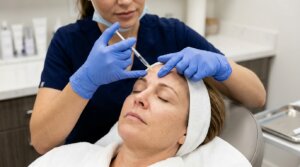
Improving Skin Texture and Preventing Deep Wrinkle Formation
By reducing repetitive muscle activity, BOTOX® Cosmetic allows the skin to repair itself and appear more even-toned.
Regular treatments can help maintain smoother, healthier-looking skin.
Note:
These effects apply to the cosmetic use of BOTOX®; the therapeutic formulation is intended for approved medical indications only.
Long-Term BOTOX® Benefits: Why Consistency Matters
Regular, properly timed treatments optimize both cosmetic and therapeutic outcomes.
- BOTOX® Cosmetic: Helps prevent new wrinkles and maintain skin smoothness over time.
- BOTOX® Therapeutic: Sustains relief from migraines, hyperhidrosis, or other conditions by maintaining the therapeutic effect over time.
Your provider will recommend a personalized schedule based on your goals and how you respond to treatment.
Medical Uses of BOTOX®: More Than Just Aesthetic Enhancements
In addition to aesthetic improvement, BOTOX® Therapeutic is FDA-approved for several medical conditions.
Treating Chronic Migraines with BOTOX® Injections (Therapeutic)
For adults experiencing 15 or more headache days per month:
- Reduces migraine frequency and severity.
- Targets specific muscles to block pain signals.
- Provides relief lasting up to three months.
- Generally better tolerated than some daily medications.
Overcoming Excessive Sweating: How BOTOX® Helps Hyperhidrosis (Therapeutic)
For patients with severe underarm, palm, or foot sweating:
- Temporarily blocks nerve signals that activate sweat glands.
- Reduces sweating and improves confidence in social/professional situations.
- Effects typically last 4–6 months.
Managing Overactive Bladder and Other Medical Conditions (Therapeutic)
BOTOX® Therapeutic is effective for patients with overactive bladder or other muscle-related disorders.
- Reduces bladder muscle contractions to improve control and comfort.
- Helps manage cervical dystonia, reducing neck spasms and pain.
- Alleviates symptoms of muscle spasticity in certain neurological conditions.
Treatment requires intradetrusor injection under cystoscopic guidance; dosing and technique differ from cosmetic use.
These therapeutic uses are supported by clinical trials referenced in the FDA-approved Prescribing Information. Always consult official documentation for full details of indications, dosing, and administration guidelines.
Understanding the BOTOX® Treatment Process: What to Expect
When you’re considering BOTOX® Cosmetic or BOTOX® Therapeutic, knowing what to expect at each stage can make the experience more comfortable, safe, and informed.
Here’s what happens before, during, and after a typical BOTOX® treatment.
Preparing for Your BOTOX® Injection: Steps to Take Before Your Appointment
Preparation helps ensure your treatment goes smoothly and minimizes potential side effects — whether for aesthetic or medical purposes.
- Consultation: Review your goals, medical history, and any current conditions with your provider to confirm you’re a good candidate for BOTOX® Cosmetic or Therapeutic.
- Avoid Blood Thinners: Refrain from aspirin, ibuprofen, and certain supplements (such as vitamin E or fish oil) at least 24–48 hours prior to reduce bruising risk.
- Stay Hydrated: Well-hydrated skin and body may help optimize your results and aid recovery.
These steps support a safe, efficient treatment session and reduce potential complications.
What Happens During a BOTOX® Treatment Session?
A BOTOX® Cosmetic or BOTOX® Therapeutic session is usually brief, straightforward, and minimally invasive.
- Your provider cleans the treatment area and may apply a topical anesthetic if needed.
- Using a fine needle, they administer precise injections into targeted muscles.
- The procedure typically takes 10–20 minutes, depending on the areas treated.
- Most patients resume their usual activities afterward, making it a convenient option even for busy schedules.
Aftercare and Recovery: Minimizing Bruising and Maximizing Results
Proper aftercare is essential to achieve optimal results and minimize risks.
- Avoid touching, rubbing, or massaging the treated areas for at least 24 hours.
- Remain upright for several hours after the procedure.
- Avoid strenuous exercise, excessive heat, saunas, and direct sunlight for at least 24–48 hours.
- Avoid facials, makeup brushes, or facial massage for 24 hours to reduce infection risk.
Following these instructions helps the BOTOX® settle properly and reduces the risk of unintended spread or complications.
How Long Do BOTOX® Injections Last? Results and Maintenance
Understanding the expected timeline of results and how to maintain them is key to satisfaction with BOTOX®.
The Timeline of BOTOX® Effects: From Injection to Visible Results
Here’s what you can typically expect after your session:
- Immediate: Mild redness, swelling, or pinpoint bruising at injection sites may occur but resolves quickly.
- 3–7 Days: Effects start to become noticeable as the muscles gradually relax.
- 10–14 Days: Full results are typically visible.
- 3–6 Months: Effects generally last within this range before gradually wearing off.
Note: Individual results may vary depending on your metabolism, treatment area, and injection technique.
How Often Should You Get BOTOX®? Finding the Right Schedule
Most patients schedule follow-up treatments every 3–4 months to maintain their desired results consistently.
Your provider may adjust this based on:
- Your goals
- Areas treated
- How your body responds over time
Regular consultations help tailor a schedule that’s effective and safe for you.
Factors That Affect BOTOX® Longevity and Effectiveness
Several variables can influence how long your results last:
- Metabolism: Individuals with a faster metabolism may experience shorter-lasting results, as the body metabolizes the product more quickly.
- Frequency of Treatment: Consistent treatment over time may help extend the duration of results, as muscles become more conditioned to the neurotoxin’s effects.
- Injector Expertise: The skill, technique, and anatomical knowledge of your injector play a critical role in ensuring both optimal outcomes and patient safety.
- Lifestyle Factors: Smoking and frequent high-intensity exercise may reduce the longevity of BOTOX® by accelerating metabolic breakdown or increasing muscle activity.
Discussing these factors with your provider sets realistic expectations and optimizes outcomes.
BOTOX® for Different Areas: Face, Neck, and More
BOTOX® Cosmetic and, in some cases, BOTOX® Therapeutic, can enhance your appearance or comfort by targeting specific areas.
Smoothing Frown Lines, Crow’s Feet, and Forehead Wrinkles (BOTOX® Cosmetic)
BOTOX® Cosmetic relaxes the facial muscles responsible for dynamic wrinkles, helping you achieve:
- A smoother, more youthful look.
- Quick, non-surgical enhancement with minimal downtime.
- Natural-looking results that preserve your expressions.
BOTOX® for Jawline Slimming and Facial Contouring (BOTOX® Cosmetic & Therapeutic)
Injections into the masseter muscles can:
- Create a slimmer, more contoured jawline (Cosmetic).
- Reduce muscle tension or discomfort related to jaw clenching or bruxism (Therapeutic).
- Improve facial symmetry, with noticeable results developing over weeks.
Treating Neck Bands and Chin Dimpling with BOTOX® Cosmetic
With precise injections, BOTOX® Cosmetic can:
- Relax neck bands (platysmal bands) for a smoother neckline.
- Reduce chin dimpling by calming overactive mentalis muscles.
- Deliver subtle, natural rejuvenation tailored to your anatomy.
BOTOX® for Men: Why More Men Are Choosing Cosmetic Treatment
BOTOX® has become increasingly popular among men — often referred to as “Brotox” — for both aesthetic (BOTOX® Cosmetic) and therapeutic (BOTOX® Therapeutic) reasons.
The Rise of “Brotox”: Why Men Are Getting BOTOX® Cosmetic
More men are discovering the advantages of BOTOX® Cosmetic, citing reasons such as:
- Maintaining a youthful, professional appearance, which can enhance confidence at work and in social settings.
- Embracing self-care as part of a modern wellness routine.
- Subtle, natural-looking results that enhance confidence without appearing “overdone.”
Addressing Frown Lines and Wrinkles for a Confident Look (BOTOX® Cosmetic)
Men commonly use BOTOX® Cosmetic to smooth:
- Frown lines that make them appear tired, angry, or stressed.
- Deep forehead creases and crow’s feet, creating a more approachable, refreshed appearance.
- Fine lines, while maintaining masculine facial features and expressions.
BOTOX® for Excessive Sweating and Workplace Confidence (BOTOX® Therapeutic)
Hyperhidrosis (excessive sweating) can undermine confidence in professional and social settings.
BOTOX® Therapeutic helps by:
- Reducing sweat production in targeted areas such as underarms, palms, and soles.
- Enhancing comfort and self-assurance during presentations, interviews, and events.
- Providing results that last several months per treatment, with regular maintenance recommended.
Are There Any Risks? Understanding the Safety of BOTOX® Injections
While BOTOX® Cosmetic and BOTOX® Therapeutic are both FDA-approved and generally considered safe, all medical procedures carry some risk.
Important Safety Information & Boxed Warning
- Both BOTOX® Cosmetic and BOTOX® Therapeutic carry an FDA Boxed Warning for the risk of distant spread of toxin effect, which may cause serious, life-threatening symptoms such as difficulty swallowing, speaking, breathing, or generalized muscle weakness — even at recommended doses.
- These symptoms can occur hours to weeks after the injection and require immediate medical attention if they appear.
- BOTOX® should only be administered by licensed and trained healthcare professionals experienced in the proper techniques for injection.
- Outcomes vary depending on patient condition, practitioner skill, and adherence to clinical guidelines.
Always consult the full FDA-approved Prescribing Information and Medication Guide before treatment, and discuss all potential risks, benefits, contraindications, and alternatives with your provider.
Common Side Effects: What to Expect After an Injection
Most side effects are mild, temporary, and resolve on their own when BOTOX® is administered correctly.
Here are some you may encounter:
- Mild swelling or bruising at the injection site, usually fading within a few days.
- Headaches, reported by some patients, which typically resolve within a few hours or days.
- Temporary muscle weakness near the injection area, which improves naturally over time.
Can BOTOX® Go Wrong? Understanding Rare Risks and How to Avoid Them
While uncommon, rare complications can include:
- Uneven or asymmetrical results if injected improperly.
- Eyelid or eyebrow drooping from misplaced injections.
- Allergic reactions (very rare).
- Infection at the injection site (rare when sterile technique is followed).
How to Minimize Risks:
- Provide your full medical history to your provider.
- Follow all pre- and post-treatment care instructions.
- Choose an experienced, board-certified injector.
Important Note: Patients with neuromuscular disorders such as amyotrophic lateral sclerosis (ALS), myasthenia gravis, or Lambert-Eaton syndrome may be at increased risk of serious side effects. BOTOX® is contraindicated in certain medical conditions and should not be administered during pregnancy or while breastfeeding. A full medical history should always be reviewed before treatment.
Choosing a Qualified Provider: Why Expertise Matters
Your choice of provider directly impacts the safety and success of your treatment.
Here’s what to look for:
- Credentials: Verify that the provider is licensed and trained in either BOTOX® Cosmetic or BOTOX® Therapeutic.
- Experience: Look for a provider with a proven track record and extensive experience.
- Consultation Approach: A good provider listens to your goals, explains realistic expectations, and ensures you understand the risks and benefits before proceeding.
An experienced, board-certified provider helps achieve natural, balanced results while minimizing risks.
How BOTOX® Compares to Other Cosmetic Treatments
If you’re considering BOTOX® Cosmetic, you may also be evaluating alternatives like dermal fillers, laser treatments, or chemical peels.
Each option has unique benefits and is suited to specific goals.
BOTOX® vs. Dermal Fillers: Which One Do You Need?
BOTOX® Cosmetic and dermal fillers serve different purposes but can complement each other:
- BOTOX® Cosmetic: Temporarily relaxes muscles that cause dynamic wrinkles (e.g., crow’s feet, frown lines).
- Dermal Fillers: Restore lost volume and fill static wrinkles (e.g., cheeks, lips, nasolabial folds).
- Longevity: BOTOX® results last 3–6 months; fillers last 6–18 months, depending on the product.
Your provider can recommend the best approach — or a combination — based on your goals and facial anatomy.
Comparing BOTOX® Cosmetic to Other Wrinkle Treatments Like Laser and Peels
Other treatments may also improve skin appearance:
| Treatment Type | Key Benefit |
| BOTOX® Cosmetic | Quick, noticeable results; minimal downtime |
| Laser Treatments | Stimulate collagen; improve texture over time |
| Chemical Peels | Exfoliate; improve tone and texture |
| Combination Therapy | Tailored, multi-modal approach for optimal results |
BOTOX® Cosmetic is often chosen for its fast onset, natural results, and minimal recovery time.
Important Note: “All laser procedures require eye protection, plume evacuation, and operator credentialing per ANSI Z136.3.”
Why BOTOX® Remains One of the Most Popular Cosmetic Procedures
BOTOX® Cosmetic continues to be a trusted choice worldwide because:
- Quick Results: Improvements can appear within a few days.
- Minimal Downtime: Most patients resume normal activities immediately.
- Versatility: FDA-approved for both aesthetic (BOTOX® Cosmetic) and therapeutic (BOTOX® Therapeutic) uses — from smoothing wrinkles to managing migraines and hyperhidrosis.
Its proven effectiveness, safety profile, and natural-looking results make it appealing for many patients seeking subtle enhancements.
| Fair Balance Callout: Both BOTOX® Cosmetic and BOTOX® (therapeutic) carry an FDA Boxed Warning about the risk of distant spread of toxin effect, which can lead to serious and potentially life-threatening complications, such as difficulty swallowing, speaking, or breathing, even at recommended doses.Only trained, licensed healthcare providers should administer BOTOX® Cosmetic for aesthetic purposes or BOTOX® (therapeutic) for approved medical conditions. Always review the full FDA-approved Prescribing Information and Medication Guide before treatment, and inform patients about all potential risks, benefits, contraindications, and alternatives. |
How to Get BOTOX®: Finding a Trusted Provider
When you’re ready to proceed — whether for BOTOX® Cosmetic (aesthetic purposes) or BOTOX® Therapeutic (medical treatment) — finding the right provider is crucial for a safe and effective experience.
What to Look for in a BOTOX® Specialist
A reliable specialist should offer:
- Experience and Training: Look for someone with extensive hands-on experience and specialized education, clearly stating their expertise in administering either BOTOX® Cosmetic for wrinkle reduction or BOTOX® Therapeutic for approved medical conditions.
- Positive Reviews: Read testimonials and verify a history of satisfied patients — for the specific type of treatment (aesthetic or medical) you are seeking.
- Personalized Consultation: Your provider should listen to your concerns, explain your options clearly, and set realistic expectations, differentiating between aesthetic and therapeutic goals.
The Importance of a Board-Certified Injector
Board certification ensures your injector has met rigorous education, clinical training, and ethical standards, providing:
- Confidence in their knowledge of facial anatomy and/or therapeutic injection sites.
- Safer procedures and reduced risk of complications for both aesthetic (BOTOX® Cosmetic) and medical (BOTOX® Therapeutic) indications.
- Natural-looking results and effective symptom relief tailored to your unique goals.
Investing in a certified professional helps safeguard both your appearance and your health.
Schedule a Consultation to Learn More About BOTOX®
A consultation is your opportunity to:
- Discuss your goals, medical history, and concerns, clearly specifying whether you are seeking BOTOX® Cosmetic or BOTOX® Therapeutic.
- Ask about the procedure, potential side effects, and expected results — which differ slightly between cosmetic and therapeutic applications.
- Learn about alternatives and create a customized treatment plan that addresses your specific needs.
Taking this step empowers you to make informed decisions about your BOTOX® journey with confidence.
Conclusion
BOTOX® — both Cosmetic and Therapeutic — is more than just an injection.
It is a versatile, FDA-approved treatment with proven benefits for both aesthetic enhancement (BOTOX® Cosmetic) and therapeutic relief (BOTOX® Therapeutic).
Whether you’re looking to:
- Smooth wrinkles and restore a youthful look with BOTOX® Cosmetic,
- Or alleviate chronic migraines, manage excessive sweating, or treat muscle-related conditions with BOTOX® Therapeutic,
BOTOX® offers a science-backed, precise solution when administered by trained professionals.
At Pipeline Medical, we prioritize your safety and satisfaction by ensuring access to authentic, high-quality BOTOX® products — both Cosmetic and Therapeutic — and expert guidance every step of the way.
Take the first step toward looking and feeling your best — schedule a consultation with a qualified, board-certified provider today.
Frequently Asked Questions (FAQs)
1. How soon will I see results after a BOTOX® injection?
For BOTOX® Cosmetic, most patients notice improvements within 3–5 days, with full results at 1–2 weeks.
For BOTOX® Therapeutic, such as for migraines or spasticity, it may take 1–2 weeks for full effects, depending on the condition treated.
2. How long do the effects of BOTOX® last?
For BOTOX® Cosmetic, results typically last 3–4 months.
For BOTOX® Therapeutic, effects may last 3–6 months, depending on the medical condition and individual response.
3. Can BOTOX® treat medical conditions as well as wrinkles?
Yes. BOTOX® Cosmetic is FDA-approved for reducing wrinkles, while BOTOX® Therapeutic is FDA-approved for treating conditions such as chronic migraines, cervical dystonia, overactive bladder, and hyperhidrosis (excessive sweating).
4. Are there any risks or side effects of BOTOX®?
Both BOTOX® Cosmetic and BOTOX® Therapeutic carry some risks.
Common side effects include temporary bruising, mild swelling, and headaches.
Serious but rare complications — such as distant spread of toxin effect — can occur even at recommended doses.
Always consult a qualified healthcare provider and review the full FDA-approved Prescribing Information and Medication Guide before treatment.
5. How do I choose the right provider for BOTOX®?
Look for a board-certified, licensed healthcare professional with specific training and experience in administering the type of BOTOX® you need (Cosmetic or Therapeutic). During your consultation, ask about their qualifications, experience, and treatment philosophy.
BOTOX® is a registered trademark of Allergan, Inc., an AbbVie company.
Medical Disclaimer: The information provided on this site is for educational purposes only and is not intended to replace clinical judgment or the guidance of a licensed healthcare professional. Always consult with a qualified medical provider regarding any health concerns, treatment decisions, or product use. For complete safety details and approved indications, refer to the full Prescribing Information and official Medication Guide.
Clinical claims are supported by the FDA-approved Prescribing Information for onabotulinumtoxinA (2022) and pivotal trials including PREEMPT 1 and 2 (Chronic Migraine; ClinicalTrials.gov identifiers: NCT00156910, NCT00168428) and Study NCT00257660 (Overactive Bladder).